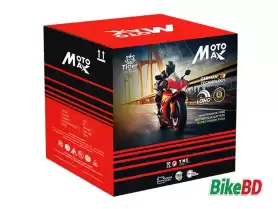



Motorcycle engine oil is the most critical fluid for your bike’s performance, acting as the lifeblood that keeps the heart of your machine running smoothly. High-quality engine oil doesn't just lubricate it cools the internal coponents, cleans out carbon deposits, and prevents wear and tear. Using the wrong grade or a low-quality oil can lead to engine overheating, poor fuel mileage, and expensive mechanical failures. We provide original and high performance engine oils designed to handle the high RPMs of modern motorcycles. Whether you ride a commuter or a sports bike, choose the right mineral, semi-synthetic, or fully synthetc oil from our premium selection of globally recognized products. Some popular products are Liqui Moly 10W-40 Street, Liqui Moly 10W-40 Street Race, Liqui Moly 20W-50 Mineral, Champion 4t 10w-40 Ester&Full Synthetic, Champion 4T 10W-40 Semi Synthetic, Champion 4T 10W-30 Ester Full Synthetic, KIXX GOLD 20W50, Lubrex Race 4T 20W50, Mobil Racing 4T 10W40.
.png)












































































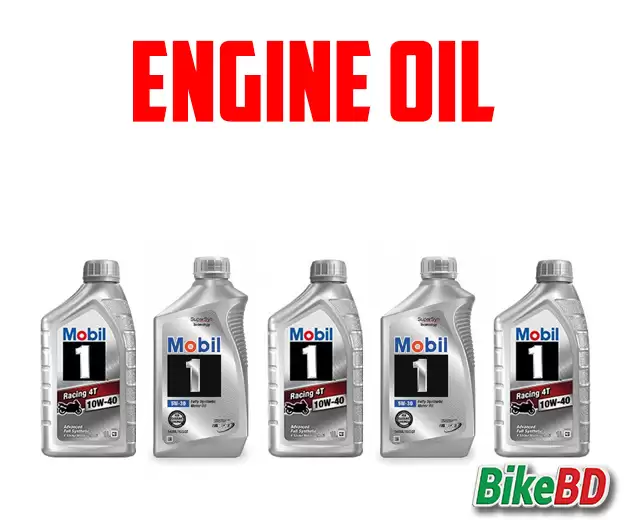











































































Motorcycle engine oils are the dedicated lubricating oil composition that is specially manufactured for the internal combustion motorcycle engines like the other type of internal combustion engines like the car, buses, or trucks. Here the core technologies are the quite same and manufactured consisting of base oil. But the chemical agents and the mixing ratios are different according to various types of engines likely the motorcycle, car, or any other vehicle's engines.
Hence the motor oil, engine oil, or engine lubricant is a type of lubricating oil typically that consists of base oil that is enhanced and properties with various types of chemical additives, anti-wear agents, detergents, etc. Further, in the multi-grade oils, viscosity stabilizers, oxidation neutralizers, etc. are also added in different ratios to make the lubricating oil workable in different temperature conditions.
Liqui Moly
Liqui Moly world-renowned brand famous for its additives and high-performance lubricants. Popular Products are Liqui Moly 10W-40 Street, Liqui Moly 10W-40 Street Race, Liqui Moly 20W-50 Mineral.
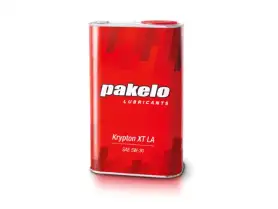
Pakelo
Pakelo made in Italy premium brand known for high-tech formulations and involvement in professional racing. Popular Products are Pakelo Multisint HD MBK SAE 10W-30, Pakelo Krypton XT LA SAE 5W-30, Pakelo Krypton XTLA 5W40.
Champion
Champion known for its Ester technology, Champion offers highly adaptive lubricants that improve engine power and durability. Popular Products are Champion 4t 10w-40 Ester&Full Synthetic, Champion 4T 10W-40 Semi Synthetic, Champion 4T 10W-30 Ester Full Synthetic.
Havoline
Havoline is one of the oldest global brands, widely trusted in Bangladesh for its reliability and engine-cleaning Deposit Shield technology. Popular Products are Havoline Super 4T SAE 10W30.
Kixx
Produced by GS Caltex, Kixx has become a market leader in Bangladesh by offering high-quality synthetic oils at very competitive price points. Popular Products are KIXX GOLD 20W50, Kixx Ultra 4T SN 10W40, Kixx Ultra 4T SL 10W30.
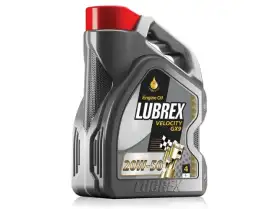
Lubrex
Lubrex is a fast growing brand from the Middle Eas known for its Velocity series which provides excellent oxidation resistance in hot cimates like Bangladesh. Popular Products are Lubrex Race 4T 20W50, Lubrex Race 4T 10W-40, Velocity GX9 20W-50, Lubrex Velocity 10W-40.
Mobil
Mobil is the most trusted and widely available lubricant brand in Bangladesh, known for its Heat-Activated Anti-Wear Molecule technology. Pouplar brands are Mobil Racing 4T 10W40, Mobil Super Moto 20W40 4T, Mobil Super 4T 20W50.
Choosing the right engine oil is the most cost-effective way to extend your bike's life and ensure a smooth riding experience on Bangladesh's busy roads. Whether you need a high-performance synthetic for long highway tours or a reliable mineral oil for daily city commutes. Keep your engine healthy your performance peak, and your journey safe. Order your preferred engine oil today and feel the difference in every rev.